

Burj Al Arab to undergo 18-month transformation as Dubai icon enters new era
French architect Tristan Auer appointed to lead interiors overhaul
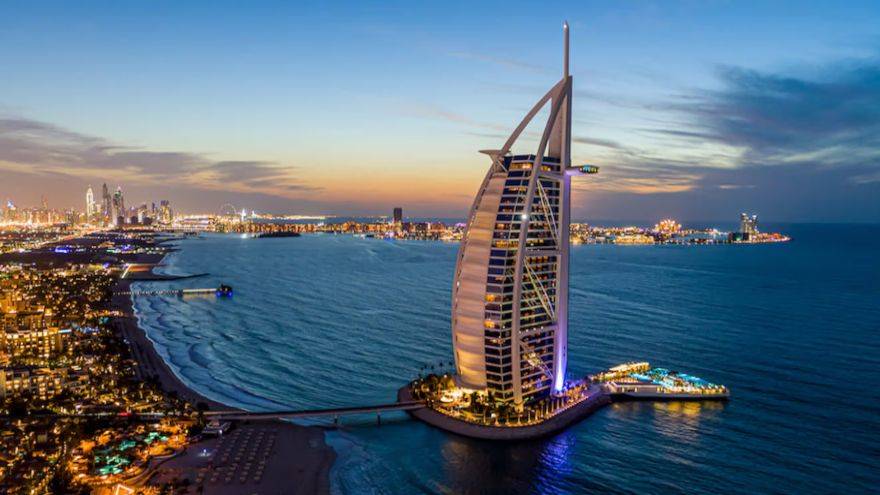
DUBAI – A new chapter is set to unfold for one of Dubai’s most recognisable landmarks as Jumeirah Burj Al Arab prepares to undergo an extensive restoration programme.
After more than 25 years of continuous operation, the luxury hotel will undergo a carefully phased transformation aimed at preserving its architectural identity while refining its interiors.

The move signals not an end, but a considered pause to ensure the longevity of a global icon.
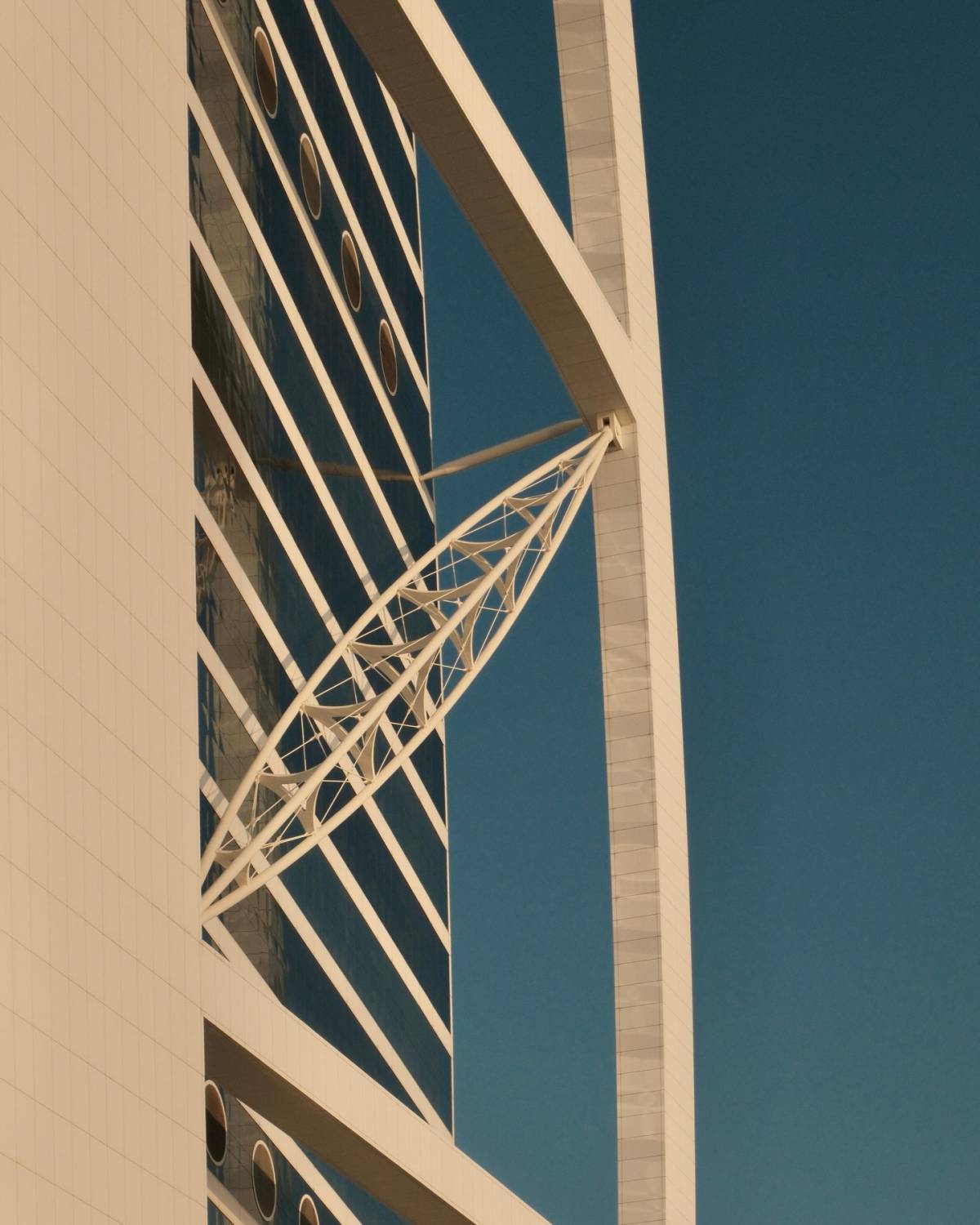
Opened in December 1999, the sail-shaped structure quickly established itself as a defining symbol of Dubai’s ambition and innovation. Built on a man-made island and often described as the world’s only ‘seven-star hotel’, the property has long stood apart for its striking design and uncompromising luxury. Now, after decades of welcoming guests from around the world, it is set to enter a new phase.
Restoration plan
The hotel will undergo renovations for approximately 18 months, during which its interiors will be enhanced, preserved and upgraded. According to Jumeirah, the restoration programme has been developed through long-term planning, reflecting the need to maintain the building’s distinctive character while elevating its design standards.
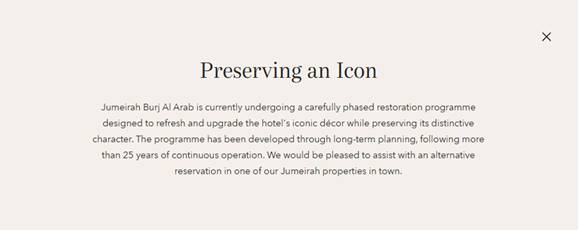
A notice on the hotel’s official website describes the initiative as a “carefully phased restoration programme” designed to refresh décor and safeguard the property’s legacy.
The focus remains firmly on conservation, with every detail approached in a manner similar to restoring a masterpiece.
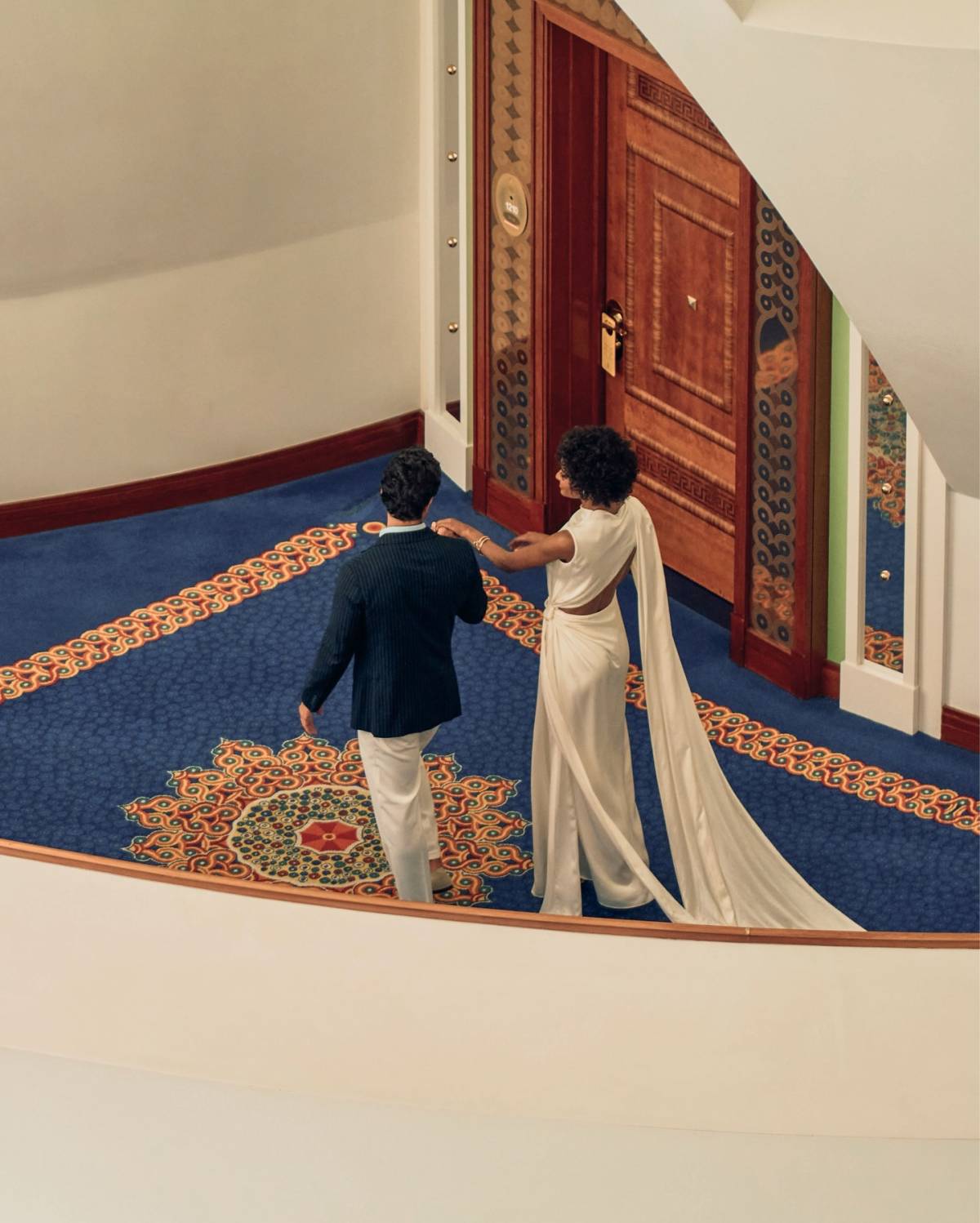
Jumeirah emphasised that the project aims to honour the hotel’s cultural and architectural significance, ensuring that its identity remains intact while discreet improvements are introduced. The programme follows more than two decades of uninterrupted service, marking the first major restoration in the property’s history.
Design vision
French interior architect Tristan Auer has been appointed to lead the transformation, bringing with him a reputation for blending heritage with contemporary sensibilities. Known for his work on prestigious projects including Hôtel de Crillon in Paris and the transformation of Les Bains Douches, Auer is regarded as one of the leading figures in global interior design.
His approach to the Burj Al Arab restoration is expected to focus on craftsmanship and precision, with an emphasis on enhancing rather than altering the building’s identity. The interiors, already known for their opulence, will be refined with exceptional care, maintaining the balance between tradition and modernity.
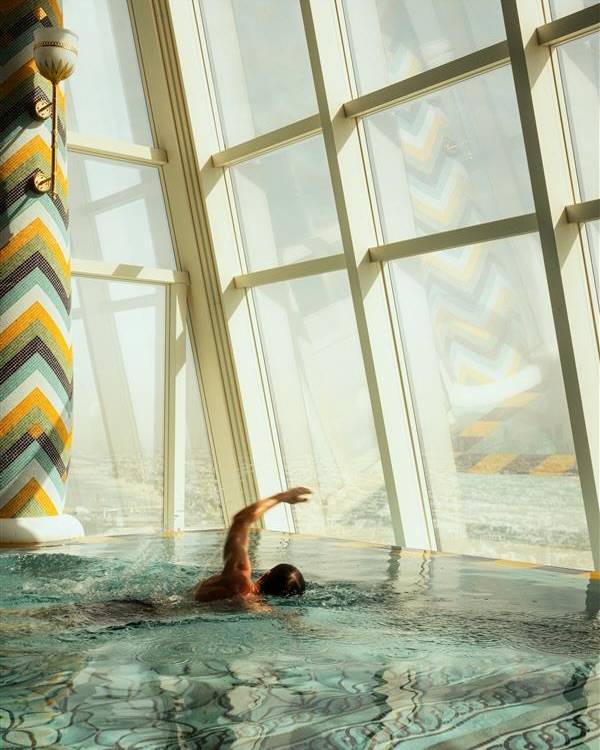
Auer described the opportunity as both an honour and a responsibility, highlighting the significance of working on such a landmark. His involvement underscores the importance of the project, positioning it as a restoration rooted in respect for legacy rather than reinvention.
Burj Al Arab
With 198 suites and interiors adorned with marble, gold leaf and Swarovski crystals, the Burj Al Arab has long been synonymous with luxury at the highest level. Its distinctive silhouette remains one of the most photographed structures in the world, reinforcing its status as a global symbol of Dubai.
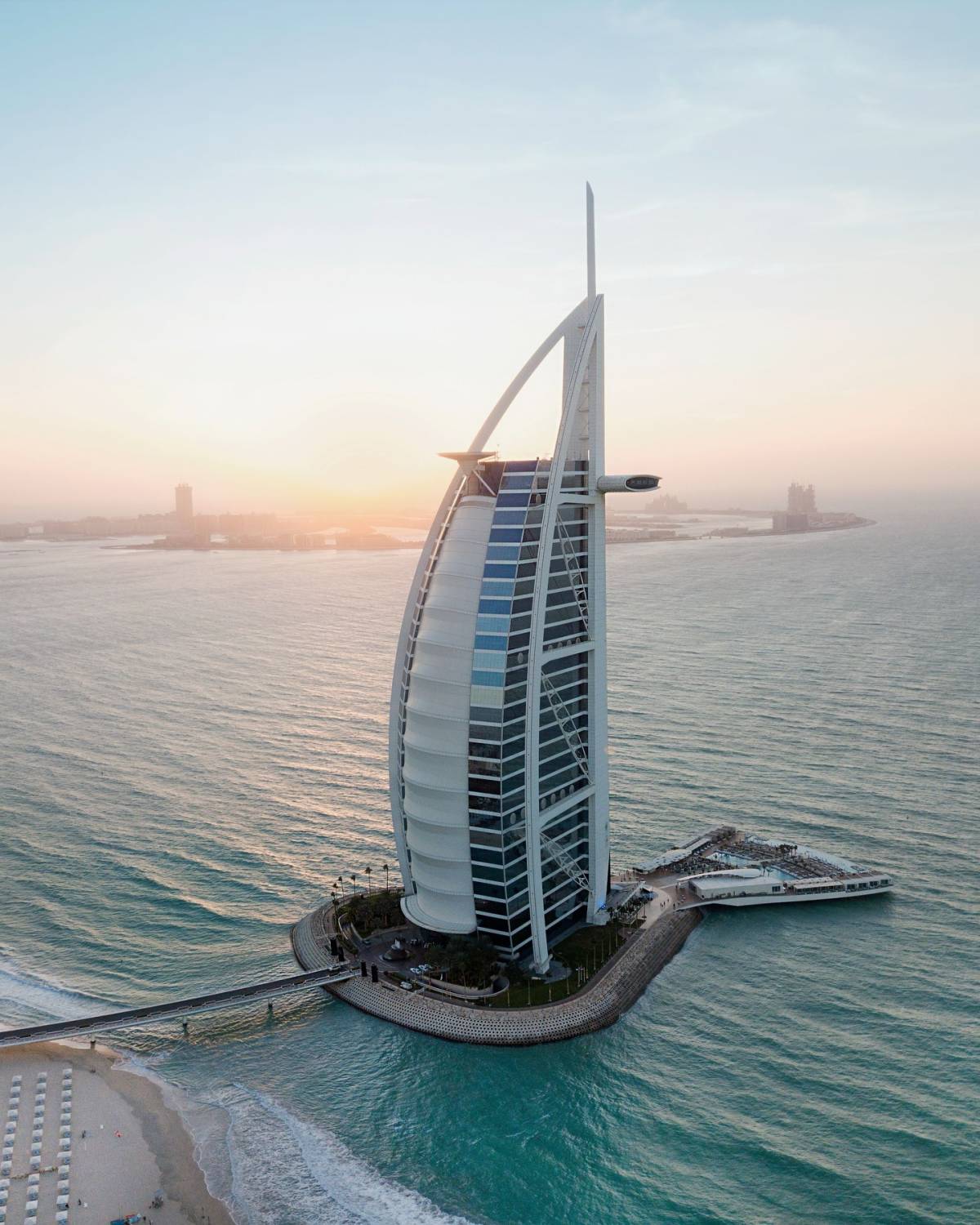
Thomas B. Meier, Chief Executive Officer of Jumeirah, described the hotel as far more than an architectural landmark, calling it a symbol of ambition, craftsmanship and enduring excellence. He noted that the restoration marks a new chapter in the property’s story, one that seeks to preserve its heritage while preparing it for the future.